Our Premium Range

At Bridge Street Stone, we supply premium sandstone and limestone paving to homeowners and landscapers across the UK. Sourced directly from trusted quarries, our natural stone paving combines durability, timeless style and outstanding value for patios, pathways and garden projects of every size.

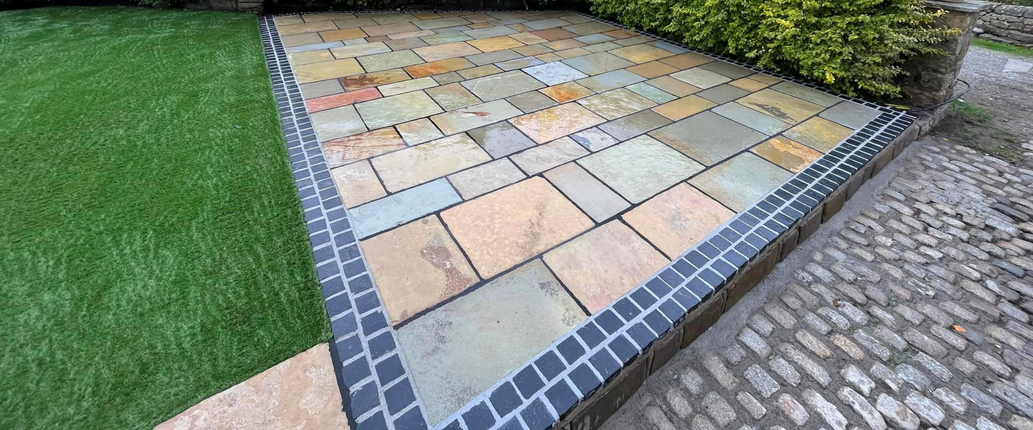
Our Indian sandstone paving is loved for its warm tones, natural texture and flexibility. From hand-cut riven slabs to modern sawn sandstone, it suits both traditional and contemporary gardens while weathering beautifully over time.

Our limestone paving offers a cleaner, more refined finish with exceptional strength. Made from hard-wearing dolomitic limestone, it’s ideal for high-traffic areas and indoor-outdoor spaces, delivering a smooth, consistent look that lasts.

Whether you’re upgrading a patio, laying garden paths or redesigning your outdoor space, our sandstone and limestone paving gives you long-term performance with natural character.

With expert advice, fast nationwide delivery and two UK showrooms in Colne and Harrogate, Bridge Street Stone makes choosing the right paving simple.

Explore our range online or call 01282 860571 for friendly, expert support.

FAQs

What is Indian sandstone paving and why is it so popular in the UK?

Indian sandstone paving is a natural stone patio material quarried in India and widely used across the UK for gardens, patios and pathways. Each slab has natural colour variation and texture, giving outdoor spaces a more authentic and high-end look than manufactured paving.

It’s especially popular in the UK because it combines natural beauty, durability and affordability. Homeowners love the wide range of colours and finishes available, making it easy to match both modern and traditional garden designs.

Is Indian sandstone paving suitable for the UK climate?

Yes, Indian sandstone paving is well suited to the UK climate. When correctly installed, it can handle rain, frost and temperature changes without cracking or deteriorating.

Its natural density and breathable structure allow moisture to escape, helping to prevent frost damage. This makes Indian sandstone a reliable long-term choice for outdoor paving in British gardens.

Do you need to seal Indian sandstone paving?

Sealing Indian sandstone paving is not essential, but it is highly recommended. A quality sealer helps protect the stone from staining, algae growth and moisture absorption while enhancing its natural colour.

Sealing also makes the paving easier to clean and maintain over time, particularly in shaded or high-traffic areas. Sealers should only be applied once the paving has been installed and fully dried.

Is Indian sandstone slippery when wet?

Indian sandstone is naturally slip resistant due to its textured surface, making it a safe option for patios and garden paths when installed correctly.

Like all outdoor paving, it can become slippery if algae or dirt builds up, so regular cleaning is important. Choosing the right finish and maintaining the surface will help keep it safe underfoot in wet conditions.

How long does Indian sandstone paving last?

When properly installed and maintained, Indian sandstone paving can last for decades. Its natural strength and durability make it ideal for long-term outdoor use.

Regular cleaning and optional sealing will help preserve its appearance and performance over time, ensuring your patio continues to look great year after year.

What is porcelain paving and why is it so popular?

Porcelain paving is a manufactured paving slab made from refined clay and fired at extremely high temperatures. This process creates a dense, hard-wearing surface that is highly resistant to stains, moisture and fading.

It has become increasingly popular with homeowners because it offers a sleek, modern look while being very low maintenance. Porcelain paving is ideal for contemporary patios and outdoor living spaces.

Is porcelain paving slippery when wet?

Outdoor porcelain paving is manufactured with an anti-slip surface, making it safe to use even in wet conditions. Most outdoor porcelain slabs meet high slip-resistance ratings suitable for patios and walkways.

Its low porosity also prevents algae and moss from penetrating the surface, helping to maintain grip and safety with minimal maintenance.

What is Yorkstone paving and why is it considered premium?

Yorkstone is a natural sandstone quarried in the UK and traditionally used in historic buildings, streets and gardens. It is known for its distinctive character, durability and timeless appearance.

Considered a premium paving material, Yorkstone offers unmatched heritage appeal and long-lasting performance, making it ideal for homeowners looking for a classic, authentic finish.

Premium Paving

Our premium stone paving choices include a mix of limestone and sandstone with a variety of finishes including brushed and tumbled. These unique stone paving options are more expensive than our standard paving due to the manufacturing process they undergo but the stunning results you can achieve are truly breathtaking.

Why choose premium paving slabs?

Our premium paving slabs have been created using several different highly advanced processes, allowing you to take your pick between a variety of unique, tactile finishes; all imbued with an unrivalled sense of character and style. Our premium paving collection encompasses a range of colours and shades, so whatever sort of setting or environment you’ve got in mind, whether it’s indoor or outdoor, traditional or modern, you can be sure we’ll have something to suit you. (Several tiles have even been specially designed to be the perfect fit for a certain kind of space!)

What are tumbled paving slabs?

Tumbled paving slabs are favoured for their softer, smoother appearance, which generally looks more worn than other types of paving stone. Any sort of paving stone can achieve this distinctive effect by being put through a tumbling machine. This is a specialised machine that basically functions like a large, slow cement mixer. The slabs themselves are placed into a rubber drum, along with a mixture consisting of sand, rocks and water. When the machine is active, the drum slowly rotates so that the assembled aggregate wears against the edges of the slabs. Ultimately, what’s left is a softer and more natural-looking stone, with a noticeably chalkier appearance. It’s the quintessential choice for more modern or contemporary spaces.

What are brushed paving slabs?

Brushed paving slabs start out as raw paving stones (often limestone), before being honed - essentially, polished to produce a flat matte surface, one that’s less porous than the original material. The honed slabs are then polished with a steel comb, enhancing their natural colour and to create a smooth, textured surface with a rounded-off edge.

Brushed paving stones are a favourite of buyers who want tiles with a more textured and rustic feel compared to those that have been honed, but remain slightly smoother than tumbled slabs - retaining more of their original colour, too.

What are porcelain paving slabs?

The manufacturing process for porcelain slabs is notably different from other types of paving slabs, mainly because they’re not technically natural stone. Instead, they’re created by firing clay at very high temperatures in specialised moulds, creating identical slabs in pre-defined shapes. These shapes are then left to dry, and wrapped in a veneer to give them a tangible texture and pattern. Porcelain tiles are renowned across the UK as the ultimate low-maintenance solution - they’re highly scratch-resistant, and their porosity is close to zero.

If you’re considering choosing them for your own space, the main thing to remember is that the nature of their manufacturing process does mean that they can be harder to install than natural stone slabs. They need an extra layer of primer to properly bed them to the mortar, and specialist tools are normally required to cut them. That can make them a challenging and risky DIY project, so it’s generally a good idea to enlist the help of a professional for the installation.